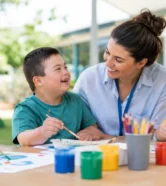
A child’s third birthday can bring a surprising mix of excitement and uncertainty. They may be chatting more, making friends at the park and keen to do things independently, yet still need plenty of reassurance at goodbye. This preschool starting age guide is designed to help NSW families look beyond a number on the calendar and choose a beginning that feels right for their child and family.
What age do children start preschool in NSW?
Many children begin a preschool program between the ages of 3 and 5. At Inspire & Innovate Childcare, preschool learning is designed for children aged 3-5, with experiences that build confidence, curiosity and the everyday skills children need before school.
There is no single compulsory age to start preschool in NSW. Families may choose to begin when their child turns three, wait until the following year, or increase attendance gradually as their child becomes more comfortable in a group setting. The right timing can also depend on available places, work arrangements, family routines and the type of early learning program you choose.
Preschool is different from Kindergarten at primary school. In NSW, children generally start Kindergarten at the beginning of the school year if they turn five on or before 31 July that year. Parents can choose to delay school entry in some circumstances, provided their child is enrolled by their sixth birthday. Preschool can offer valuable preparation, but it is not a requirement for starting school.
Preschool starting age guide: start with your child
Age provides a useful starting point, but children develop at different rates. One three-year-old may walk into a new room ready to join a puzzle with other children, while another may need more time to observe, connect with an educator and settle into unfamiliar routines. Neither approach means a child is ahead or behind.
Rather than looking for perfect readiness, consider whether your child is showing a growing capacity to participate in a small group. They might be interested in other children, enjoy stories or imaginative play, communicate their needs in their own way, and cope with short periods away from family. Basic independence, such as attempting handwashing, feeding themselves or helping pack away toys, can also make the transition easier. These skills continue to develop at preschool, so they are not entry tests.
Emotional readiness matters just as much. Some children are comfortable separating from a parent but find noise and busy play challenging. Others are initially tearful at drop-off, then settle beautifully once they have formed a trusting relationship with an educator. A nurturing program recognises these differences and supports each child at their own pace.
If your child has additional developmental needs, is learning English alongside another language, or has had a difficult experience with separation, preschool may still be a positive step. The key is open communication with the service about your child’s strengths, comfort items, routines and the support that helps them feel secure.
The benefits of starting at three
Beginning preschool at three can give children time to become familiar with group learning before the transition to school. Through play, they practise sharing materials, waiting for a turn, expressing ideas and recovering from small disappointments. These are the social and emotional foundations that help children participate confidently in a classroom later on.
A quality play-based program also supports language, early literacy, numeracy, movement and creativity without turning childhood into a race. Children might build a ramp and test which object rolls fastest, use paint and collage to represent an idea, retell a favourite story, or care for plants in an outdoor learning space. Meaningful learning often happens when children are absorbed in play.
For working families, starting at three can also create a dependable routine and continuity of care. Familiar educators get to know a child’s interests, personality and development over time, making it easier to tailor experiences and share useful observations with parents.
That said, an earlier start is not automatically the best choice for every family. A child who is still adjusting to a new sibling, a house move, health needs or major changes at home may benefit from a gentler introduction. Starting with shorter or fewer days, where available, can be a helpful middle ground.
Is four a better age to start preschool?
For some children, four is an ideal time to begin or increase preschool attendance. They may have more confidence communicating with adults and peers, longer attention for group experiences and a stronger interest in friendships. A focused year or two before Kindergarten can provide rich opportunities to practise routines such as arriving, packing away, listening to instructions and caring for belongings.
Waiting until four does not mean a child has missed out. Children learn through their families, communities, playgroups, siblings and everyday life long before they enter a formal early learning setting. What matters is that the preschool environment meets them where they are and offers enough time to build relationships and confidence before school begins.
A later start can bring a few practical considerations. If a child has limited experience in group care, allow time for settling in rather than expecting an immediate school-ready transition. Regular attendance usually helps children feel part of the community and understand the rhythm of the day.
Choosing days and routines that work
The number of days a child attends can shape their experience. More regular attendance can help younger children remember routines, build close friendships and feel connected to their educators. However, families also need a schedule that is sustainable alongside work, rest, appointments and time at home.
When considering a program, ask how educators support arrivals and goodbyes, how they communicate about your child’s day, and how learning is adapted for different abilities and interests. It is also worth asking about meals, rest times, outdoor play, toileting support and what happens when a child is upset. Clear, compassionate answers can tell you a great deal about the care your child will receive.
A centre visit is especially valuable. Notice whether children appear engaged and comfortable, whether educators are down at their level and responsive, and whether the spaces invite children to explore. Safety procedures matter deeply, but so does the feeling of warmth and belonging that helps a child return each day with confidence.
Helping your child settle into preschool
A calm transition usually begins before the first full day. Talk positively and honestly about preschool, describing simple parts of the day such as arriving, playing, eating and coming home. Reading books about starting early learning, visiting the centre and practising a short goodbye routine can make the experience more predictable.
At drop-off, keep your farewell warm and clear. Lingering when a child is distressed can sometimes make separation harder, while a consistent goodbye helps them learn that you will return. Let educators know if your child had a poor night’s sleep, is worried about something or has a new routine at home. Small details can help them offer the right support.
There may be tears, especially in the first few weeks. Tears are a form of communication, not proof that preschool is the wrong choice. With patient support, consistent attendance and trusted relationships, many children move from holding tightly at the door to proudly showing their family what they created or discovered that day.
A decision you can make with confidence
The best preschool starting age is not about getting ahead. It is about finding an environment where your child feels safe enough to explore, supported enough to try, and known well enough to grow. Whether your family chooses to begin at three, four or closer to school, a thoughtful, child-centred start can help make those first steps feel like the beginning of something bright.