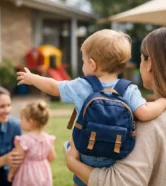
The morning your child walks into preschool with their little bag, a familiar comfort item and a mix of excitement and nerves is a big moment for the whole family. A preschool readiness skills checklist can be useful, not because children need to pass a test, but because it helps parents notice where a little everyday practice may build confidence before that first day.
Children develop at wonderfully different rates. One child may happily chat with new people but need help putting on shoes; another may be fiercely independent at home while taking time to feel settled in a group. Readiness is not about knowing the alphabet, writing a name perfectly or sitting still for long periods. It is about feeling safe enough to explore, connect, communicate needs and participate in play.
What preschool readiness really means
Preschool is a place for learning these skills, not a place children must arrive having already mastered them. Qualified educators plan play experiences that support language, early literacy, problem-solving, physical development and social confidence. They also understand that separation can be hard, routines take time and big feelings are part of early childhood.
For families in Baulkham Hills and beyond, the most helpful preparation often happens in small moments at home: packing away blocks together, waiting for a turn during a game, talking about what is happening at the shops or letting your child try a tricky zip before stepping in.
Think of this checklist as a conversation starter. If your child is still developing a skill, that is useful information, not a concern or a label.
Preschool readiness skills checklist
1. Communicating needs and ideas
Your child does not need clear pronunciation or long sentences to begin preschool. What matters is that they have some way to let adults and other children know what they need, want or feel. This may be through words, gestures, signs, facial expressions or a combination of these.
Look for growing confidence in saying when they are hungry, need the toilet, want help, are hurt, or do not like something. They may also be starting to answer simple questions, listen to short instructions and share a basic idea about their play.
2. Managing small separations
Being able to say goodbye without tears is not a requirement for preschool readiness. Many children cry at drop-off, particularly in the first weeks, and then settle with caring support. The more meaningful question is whether they can gradually build trust with another familiar adult and find comfort in a predictable routine.
Practise brief separations with trusted family members or carers where possible. Keep goodbyes calm and clear rather than slipping away, which can make children feel uncertain. A simple routine works well: cuddle, say goodbye, remind your child when you will return, then leave confidently.
3. Playing alongside and with others
At three and four, children are still learning how friendships work. They may play beside another child rather than cooperatively for long stretches, and that is completely age-appropriate. Preschool readiness includes a developing ability to be around other children, share space and begin practising turn-taking.
Notice whether your child can join a simple game, cope with short waits, or accept support when a peer has a toy they want. They do not need to share every possession immediately. Instead, help them learn language that makes social play easier: “Can I have a turn when you’re finished?”, “Let’s build together,” or “I’m still using that.”
Board games with very simple rules, building projects, trips to the park and pretend play all provide low-pressure opportunities to practise. When conflicts happen, name the feeling and guide the next step rather than expecting children to solve everything alone.
4. Beginning independence with everyday care
Independence is often one of the most practical parts of a preschool readiness skills checklist. Preschool routines involve eating, washing hands, toileting, packing away and getting dressed for outdoor play. Children benefit from having a go, even when it takes longer and is not quite as tidy as an adult would manage.
Useful emerging skills include attempting to pull pants up and down, using a spoon or fork, drinking from a cup or water bottle, washing and drying hands, and recognising their own bag or belongings. Toilet learning looks different for every child. If your child is not yet independent with toileting, discuss their needs honestly with the service so a suitable support plan can be considered.
5. Following routines and simple directions
Preschool days are full of transitions: arriving, morning play, group times, meals, outdoor experiences, rest and home time. Children do not need to follow every direction perfectly, but familiarity with simple routines can make the day feel more predictable.
Your child may be ready to practise one- or two-step directions such as, “Put the puzzle away, then choose a book,” especially when the request is calm and clear. They may also be learning to respond to safety instructions, including stopping when called, holding an adult’s hand near roads and staying within agreed play areas.
6. Recognising and working through big feelings
Preschool brings joyful moments, but it also brings disappointment, frustration, tiredness and occasional conflict. Emotional readiness does not mean a child never has a tantrum or always uses calm words. It means they are beginning to accept help to regulate and recover.
Help your child name feelings in everyday situations: disappointed, cross, worried, excited, proud or tired. Offer simple calming choices, such as having a cuddle, taking slow breaths, sitting in a quiet spot, getting a drink of water or asking for help. Over time, these experiences give children practical tools they can use with educator guidance.
7. Exploring, moving and persisting in play
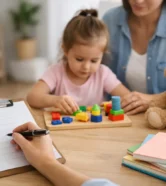
Early learning is built through active play. A child who is curious about how something works, willing to try a new material or able to stay with a puzzle for a few minutes is developing valuable learning habits.
Offer plenty of opportunities for climbing, running, drawing, threading, playdough, blocks, water play, singing and pretend games. These experiences strengthen coordination, hand control, imagination, language and problem-solving without turning home into a classroom.
Some children love new challenges; others watch carefully before joining in. Both approaches can be healthy. The goal is not to push a cautious child into every activity, but to provide encouragement and enough time for them to feel secure.
How to use the checklist without creating pressure
Choose one or two areas that would make daily preschool routines easier for your child, then weave them into ordinary life. If opening lunch containers is difficult, practise with an empty container at home. If group settings feel overwhelming, arrange a short playdate with one familiar child before attempting a busy event.
It also helps to involve your child in the transition. Visit the service if possible, talk positively about what they may do there, and let them help choose a bag, hat or comfort item. Be honest that you will say goodbye and return later. Promises that are simple and kept build trust.
At Inspire & Innovate Childcare, school readiness is supported through nurturing relationships and play-based experiences, with educators getting to know each child’s strengths, interests and next steps. A child’s confidence grows most reliably when home and educators work as a team.
Your child does not need to arrive at preschool fully formed, fully independent or fearless. They only need the chance to begin. With patient practice, familiar routines and trusted adults nearby, each small step can become part of a bright, confident start.